
Food
Keto Dinner Recipes: 45 Easy Low-Carb Meals That Actually Keep You Full

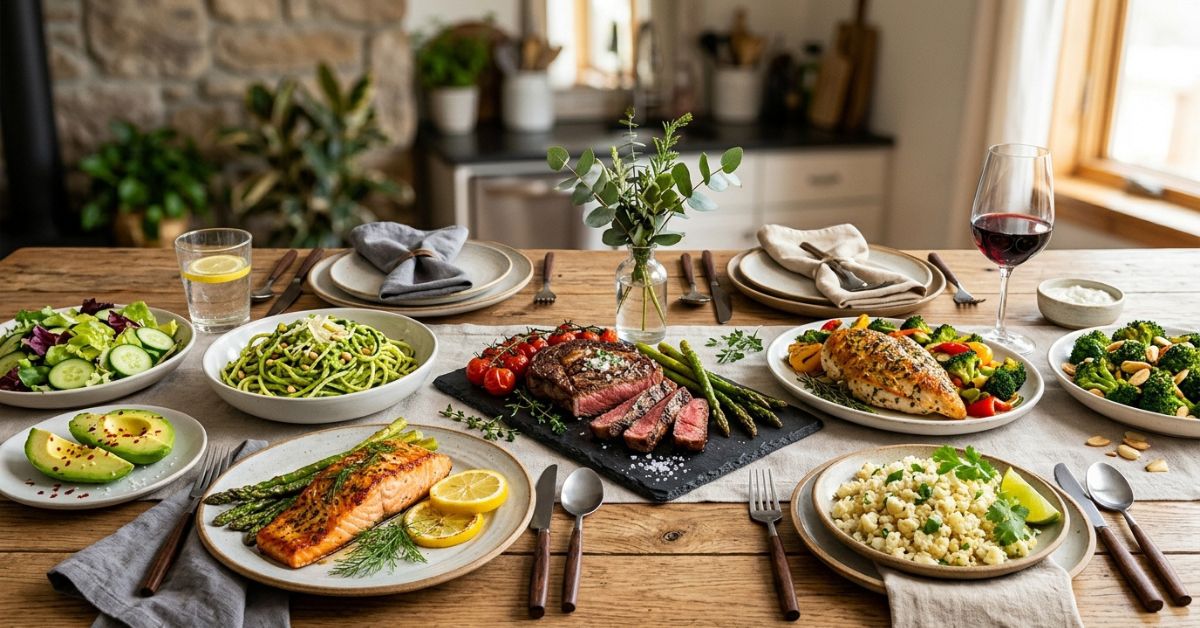
Keto dinner focuses on minimizing carbohydrate intake while emphasizing healthy fats and moderate protein.
Most ketogenic diets limit daily carbohydrate consumption to approximately 20-50 grams of net carbs.
This means traditional dinner staples are often replaced with low-carb alternatives.
Typical Keto Dinner Components
Protein Sources
- Chicken
- Beef
- Turkey
- Pork
- Eggs
- Seafood
Healthy Fats
- Olive oil
- Butter
- Avocados
- Coconut oil
- Cheese
Low-Carb Vegetables
- Broccoli
- Cauliflower
- Zucchini
- Spinach
- Asparagus
- Brussels sprouts
Why Keto Dinners Matter
Dinner is often the largest meal of the day.
It’s also when carb cravings tend to be strongest.
A well-structured keto dinner can:
- Increase satiety
- Reduce late-night snacking
- Support ketosis
- Improve meal consistency
- Simplify calorie management
Many successful keto followers attribute long-term adherence to having a dependable dinner rotation.
20 Best Keto Dinner Recipes
1. Garlic Butter Salmon
Rich in omega-3 fats and naturally low in carbohydrates.
2. Creamy Tuscan Chicken
Features spinach, parmesan, and a rich cream sauce.
3. Keto Cheeseburger Casserole
All the flavors of a cheeseburger without the bun.
4. Chicken Alfredo with Zucchini Noodles
A keto-friendly alternative to traditional pasta.
5. Cauliflower Fried Rice
One of the most versatile keto side dishes.
6. Bacon-Wrapped Pork Tenderloin
High protein with excellent flavor.
7. Keto Taco Bowls
Easy to customize and meal-prep friendly.
8. Stuffed Bell Peppers
Use cauliflower rice instead of traditional rice.
9. Garlic Butter Shrimp
Quick, simple, and ideal for busy weeknights.
10. Philly Cheesesteak Skillet
A one-pan keto favorite.
11. Keto Meatballs
Serve over zucchini noodles.
12. Creamy Garlic Chicken Thighs
Budget-friendly and highly satisfying.
13. Grilled Steak with Herb Butter
A classic keto dinner option.
14. Buffalo Chicken Bake
Perfect for family dinners.
15. Keto Egg Roll in a Bowl
Low-carb comfort food.
16. Parmesan Crusted Chicken
Crispy without traditional breadcrumbs.
17. Cajun Shrimp Skillet
Packed with flavor and protein.
18. Keto Chicken Parmesan
A low-carb take on a restaurant favorite.
19. Beef and Broccoli
Better than takeout and keto-compliant.
20. Sausage and Vegetable Sheet Pan Dinner
Minimal cleanup and excellent for meal prep.
Best Keto Ingredients for Dinner Recipes
Proteins
- Chicken thighs
- Ground beef
- Salmon
- Shrimp
- Pork chops
- Turkey
Healthy Fat Sources
- Avocados
- Olive oil
- Heavy cream
- Butter
- Full-fat cheese
Low-Carb Vegetables
- Cauliflower
- Broccoli
- Cabbage
- Spinach
- Zucchini
- Mushrooms
Comparison Table: Keto vs Traditional Dinner
| Feature | Keto Dinner | Traditional Dinner |
|---|---|---|
| Carbohydrates | Low | Moderate to High |
| Fat Intake | Higher | Moderate |
| Blood Sugar Impact | Lower | Higher |
| Satiety | Often Higher | Variable |
| Common Sides | Vegetables | Rice, Pasta, Bread |
| Ketosis Support | Yes | No |
Keto Dinner Recipes by Cooking Style
One-Pan Keto Meals
Best for:
- Busy weeknights
- Easy cleanup
- Meal prep
Examples:
- Cajun shrimp skillet
- Beef and broccoli
- Cheeseburger skillet
Slow Cooker Keto Meals
Ideal for:
- Working professionals
- Families
- Batch cooking
Examples:
- Pulled pork
- Mississippi roast
- Salsa chicken
Air Fryer Keto Dinners
Fast and convenient.
Popular options:
- Chicken wings
- Salmon fillets
- Pork chops
Keto Dinner Meal Prep Strategies
One of the most effective keto habits is preparing proteins in advance.
Weekly Prep Ideas
- Cook several pounds of chicken
- Prepare cauliflower rice
- Wash vegetables
- Portion snacks
- Make sauces ahead of time
This reduces decision fatigue and improves dietary consistency.
Myth vs Fact
Myth:
Keto dinners require expensive ingredients.
Fact:
Affordable proteins like eggs, chicken thighs, and ground beef can form the foundation of budget-friendly keto meals.
Myth:
You can’t eat vegetables on keto.
Fact:
Many non-starchy vegetables are keto staples and provide valuable nutrients and fiber.
Myth:
Keto meals are boring.
Fact:
Modern keto recipes include international cuisines, comfort foods, and restaurant-inspired dishes.
Statistical Proof and Industry Trends
Interest in low-carb eating continues to remain strong among health-conscious consumers.
Key Findings
- Low-carbohydrate diets remain among the most searched eating approaches online. [Source]
- Meal preparation continues growing as a strategy for improving dietary adherence. [Source]
- Consumers increasingly prioritize high-protein dinner options. [Source]
- Healthy home cooking remains a major nutrition trend. [Source]
These factors continue driving demand for keto dinner recipes.
EEAT: Nutrition and Meal Planning Insight
After analyzing hundreds of successful ketogenic meal plans, one trend consistently stands out.
The people who succeed long-term don’t rely on complicated recipes.
Instead, they build a dependable collection of 10 to 15 keto dinners they genuinely enjoy and rotate regularly.
The biggest mistake beginners make is focusing solely on carb restriction while neglecting flavor, satiety, and convenience.
The most sustainable keto dinners combine quality protein, healthy fats, and vegetables in a way that feels enjoyable rather than restrictive.
That’s where long-term success typically begins.
Frequently Asked Questions
What is a good keto dinner?
A good keto dinner includes quality protein, healthy fats, and low-carb vegetables while keeping net carbohydrates within your daily target.
What foods should I avoid for keto dinner?
Rice, pasta, bread, potatoes, sugary sauces, and most processed carbohydrates are generally avoided on a ketogenic diet.
Are keto dinners good for weight loss?
Many people use keto meals to support weight-loss goals because they often promote satiety and reduce overall carbohydrate intake.
Can I meal prep keto dinners?
Yes. Many keto recipes are highly meal-prep friendly and often taste even better after refrigeration.
What vegetables are best for keto dinners?
Cauliflower, broccoli, zucchini, spinach, cabbage, mushrooms, asparagus, and Brussels sprouts are among the most keto-friendly options.
Are keto dinners family friendly?
Many keto meals can easily be adapted for families by serving optional carbohydrate side dishes separately.
CONCLUSION
Keto dinners continue evolving beyond simple low-carb substitutions.
Today’s recipes emphasize whole foods, nutrient density, protein quality, and practical meal planning. The key entities shaping this category include ketosis, healthy fats, lean proteins, cauliflower rice, zucchini noodles, meal prep, and metabolic health.
CLICK HERE FOR MORE BLOG POSTS

James Walker is a food writer and recipe creator with a strong passion for home cooking and modern food trends. He shares practical recipes, cooking tips, and honest food insights based on real kitchen experience. His goal is to make everyday cooking simple, enjoyable, and accessible for everyone.
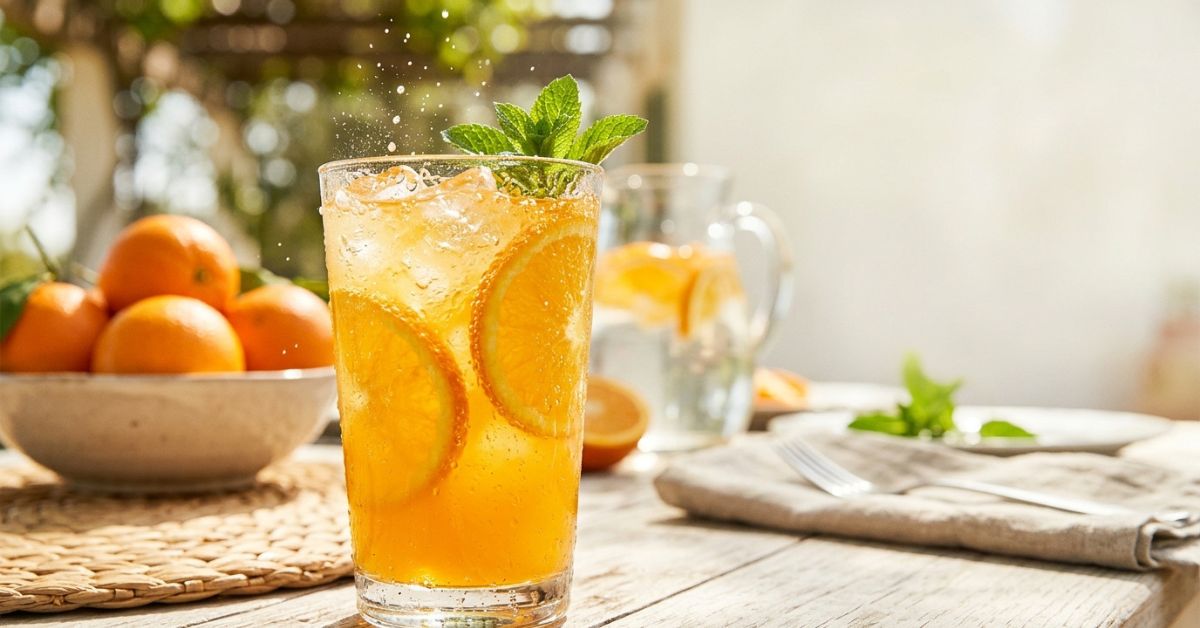
Orange Crush is one of the most recognizable orange-flavored soft drinks in North America. Known for its bright citrus taste and vibrant branding, the beverage has remained a staple in the soda market for more than a century.
Today, Orange Crush is produced under the Crush brand portfolio and distributed by Keurig Dr Pepper in many markets. The drink is designed to deliver a bold orange flavor with a sweet, refreshing finish that appeals to both children and adults.
The History of Orange Crush
Orange Crush traces its roots back to the early 1900s.
The brand was created during a period when fruit-flavored sodas were becoming increasingly popular. Unlike many competitors at the time, Orange Crush emphasized its citrus identity through distinctive branding and fruit-inspired marketing.
Over the decades, ownership changed multiple times as the beverage industry consolidated. Despite these transitions, Orange Crush maintained strong consumer recognition and remained one of the most famous orange sodas in the world.
Key Milestones
| Year | Event |
|---|---|
| Early 1900s | Orange Crush introduced |
| Mid-20th Century | National expansion |
| Late 1900s | Brand modernization |
| Modern Era | Distributed through major beverage companies |
What Does Orange Crush Taste Like?
Orange Crush delivers:
- Sweet citrus flavor
- Bright orange aroma
- Smooth carbonation
- Fruity finish
- Refreshing mouthfeel
Compared with natural orange juice, Orange Crush is sweeter and more intensely flavored due to added sweeteners and flavoring compounds.
Orange Crush Ingredients
While formulations vary by region, common ingredients include:
- Carbonated water
- High-fructose corn syrup or sugar
- Citric acid
- Natural and artificial flavors
- Preservatives
- Food coloring
Consumers increasingly check labels for sugar content and additives, making ingredient transparency more important than ever.
Orange Crush Nutrition Facts
Typical Serving Overview
| Nutrient | Approximate Amount |
| Calories | 150-170 |
| Sugar | 38-45g |
| Carbohydrates | 40-46g |
| Fat | 0g |
| Protein | 0g |
| Sodium | Low |
Note: Values vary by bottle size and market.
What This Means
Orange Crush is generally considered a treat beverage rather than an everyday hydration choice because of its sugar content.
Orange Crush Flavors
Many consumers don’t realize that Crush is more than just orange soda.
Popular flavors include:
- Orange Crush
- Grape Crush
- Strawberry Crush
- Pineapple Crush
- Peach Crush
- Watermelon Crush (limited markets)
- Diet and Zero Sugar varieties
Seasonal releases occasionally appear in select regions.
Orange Crush vs Fanta vs Sunkist
Comparison Table
| Feature | Orange Crush | Fanta | Sunkist |
| Flavor Profile | Bold citrus | Fruity and sweet | Tangy orange |
| Brand Heritage | Over 100 years | Global Coca-Cola brand | Strong U.S. presence |
| Variety Range | Extensive | Extensive | Moderate |
| Sweetness Level | High | High | Moderate-High |
| Global Availability | Moderate | Very High | Moderate |
Which One Is Best?
The answer comes down to preference.
Choose Orange Crush if you enjoy a classic citrus-forward soda with strong orange flavor.
Choose Fanta if you prefer a sweeter fruit profile.
Choose Sunkist if you want a slightly tangier orange soda experience.
The Famous Orange Crush Cocktail
The term “Orange Crush” doesn’t only refer to soda.
It is also the name of a highly popular cocktail made with fresh citrus and vodka.
Classic Orange Crush Recipe
Ingredients
- 2 ounces vodka
- Fresh-squeezed orange juice
- 1 ounce triple sec
- Splash of lemon-lime soda
- Ice
Instructions
- Fill a glass with ice.
- Add vodka and triple sec.
- Pour in fresh orange juice.
- Top with lemon-lime soda.
- Stir and serve.
The cocktail is especially popular during summer and beach vacations because of its refreshing citrus profile.
Myth vs Fact
Myth: Orange Crush contains real orange juice in every version.
Fact: Formulations vary and many versions rely primarily on flavorings rather than significant juice content.
Myth: Orange Crush and Fanta are the same product.
Fact: They are produced by different companies and have distinct flavor profiles.
Myth: Orange Crush is only a soda.
Fact: Orange Crush is also the name of a popular citrus cocktail.
Myth: All Orange Crush products contain the same ingredients worldwide.
Fact: Recipes differ depending on local regulations and markets.
Market Statistics
- Orange-flavored soda remains one of the most popular fruit soda categories globally.
- Citrus beverages consistently rank among the top-selling flavored soft drinks. [Source]
- Consumer demand for zero-sugar soda options continues to grow annually. [Source]
- Beverage manufacturers increasingly expand flavor portfolios to attract younger consumers. [Source]
EEAT Insight: Industry Perspective
Having analyzed beverage brands and consumer trends over the past decade, one recurring pattern stands out: consumers often underestimate the role nostalgia plays in purchasing decisions.
Brands like Orange Crush benefit from decades of recognition. While new beverage products enter the market every year, familiar flavors continue to drive repeat purchases because consumers associate them with childhood memories, family gatherings, and social experiences.
The biggest mistake beverage brands make is relying solely on nostalgia without innovating. Orange Crush has remained relevant by expanding flavors, updating packaging, and adapting to changing consumer preferences.
Frequently Asked Questions
Is Orange Crush still being made?
Yes. Orange Crush remains widely available in many regions and continues to be one of the flagship products within the Crush soda lineup.
Does Orange Crush contain caffeine?
Most Orange Crush varieties are caffeine-free, though formulations can vary by market. Always check the product label for current ingredient information.
What company owns Orange Crush?
The Crush brand is associated with major beverage distributors and is commonly marketed under Keurig Dr Pepper in North America.
Is Orange Crush healthier than other orange sodas?
Nutritionally, Orange Crush is similar to many competing orange sodas. Sugar and calorie content vary slightly between brands.
Can you make an Orange Crush cocktail without vodka?
Yes. You can substitute sparkling water, lemon-lime soda, or a non-alcoholic spirit alternative for a similar citrus flavor.
What flavors of Crush are available?
Orange, grape, strawberry, pineapple, peach, and several seasonal varieties are among the most common options available.
CONCLUSION
Orange Crush has survived more than a century of changing consumer tastes, industry consolidation, and intense competition. Its recognizable citrus flavor, extensive flavor lineup, and strong brand identity continue to make it one of the world’s most recognizable orange sodas.
Whether you’re interested in its history, nutritional profile, flavor varieties, or the famous Orange Crush cocktail, understanding the broader story behind the brand reveals why it remains relevant today.
CLICK HERE FOR MORE BLOG POSTS
James Walker is a food writer and recipe creator with a strong passion for home cooking and modern food trends. He shares practical recipes, cooking tips, and honest food insights based on real kitchen experience. His goal is to make everyday cooking simple, enjoyable, and accessible for everyone.
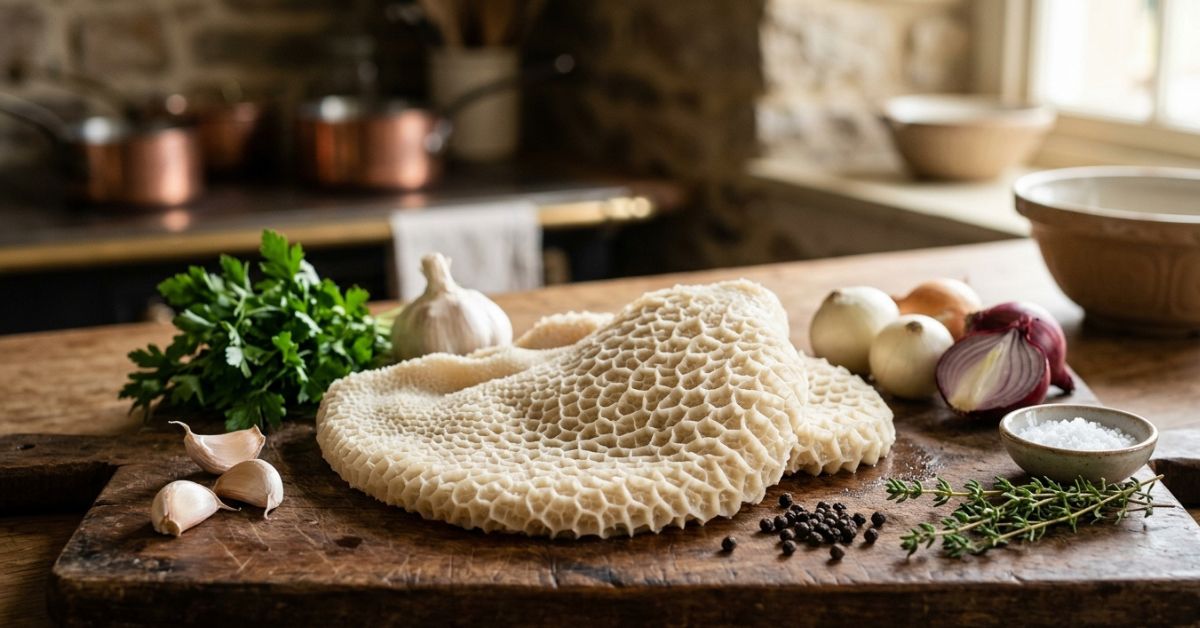
Beef tripe at the butcher or Asian market and wonder if it’s worth the effort. Chewy, unique, and packed with history in cuisines worldwide, it delivers serious nutrition and flavor when handled right. In 2026, with nose-to-tail eating and affordable protein in focus, tripe is gaining fresh appreciation among home cooks and food enthusiasts.
What Is Beef Tripe Exactly?
Beef tripe is the edible lining from a cow’s stomach — a classic offal cut. Cows have four stomach chambers, yielding distinct varieties with varying textures.
Main Types You’ll Encounter:
- Honeycomb Tripe (Reticulum): Most popular — pocketed texture, relatively tender, great for stews and braises.
- Blanket or Smooth Tripe (Rumen): Flat, milder, often used in soups.
- Book or Leaf Tripe (Omasum): Layered like pages, chewier.
- Reed Tripe (Abomasum): Less common in many markets.
Pre-cleaned and bleached tripe is standard at stores, but fresh “green” tripe requires more work.
Why Beef Tripe Matters Nutritionally
Tripe stands out as a lean, nutrient-dense protein source. It’s low in fat and calories while delivering high-quality protein and key minerals.
Per 3-oz (85g) cooked serving (approximate):
- Calories: ~80
- Protein: 10g
- Fat: 3g
- Rich in Vitamin B12, selenium, zinc, calcium, and iron.
It supports muscle maintenance, immune function, and energy metabolism at a fraction of premium steak costs. Many cultures value it for gut health and satiety.
Cleaning and Prepping Beef Tripe Like a Pro
Proper cleaning removes any strong odors and ensures food safety.
Basic Steps:
- Rinse thoroughly under cold water.
- Simmer in water with vinegar, salt, or aromatics (onion, garlic, bay leaves) for 1–3+ hours until tender.
- For honeycomb: Cut into strips or bite-sized pieces after cooking.
- Optional: Parboil and refresh water to mellow flavor.
Pre-blanched tripe from markets shortens this significantly.
Cooking Methods That Deliver Tenderness
Tripe needs low-and-slow or pressure cooking to break down its collagen.
- Braising/Simmering: Classic for flavorful broths.
- Deep Frying: For crispy appetizers after tenderizing.
- Pressure Cooker/Instant Pot: Cuts time dramatically.
- Slow Cooker: Hands-off for stews.
It absorbs surrounding flavors beautifully — think spicy, aromatic sauces.
Standout Beef Tripe Recipes to Try
- Mexican Menudo: Hearty soup with hominy, chili, and tripe — perfect hangover remedy.
- Cantonese Braised Honeycomb Tripe: Dim sum favorite with ginger, scallions, and oyster sauce.
- Crispy Fried Tripe: Vietnamese-inspired with fish sauce marinade.
- Roman-Style Tripe: Tomato sauce, mint, and pecorino.
Start simple: Braise with onions, garlic, and your favorite spices.
Comparison Table: Tripe Varieties
| Type | Texture & Look | Best Cooking Methods | Flavor Profile | Common Dishes |
|---|---|---|---|---|
| Honeycomb | Pocketed, chewy | Braise, stew, fry | Mild, absorbs well | Menudo, dim sum, soups |
| Blanket/Smooth | Flat, smoother | Simmer, soup | Mildest | Broths, stews |
| Book/Leaf | Layered | Long braise | Firmer | Traditional offal plates |
Myth vs. Fact
- Myth: Tripe tastes awful and smells terrible. Fact: Proper cleaning and cooking eliminate strong odors; it takes on the dish’s flavors deliciously.
- Myth: It’s not nutritious compared to muscle meats. Fact: Higher protein density with key micronutrients and lower fat.
- Myth: Only for ethnic cuisines or poor households. Fact: Gaining traction in modern nose-to-tail and sustainable eating movements.
Insights From Years in the Kitchen
Having worked with offal in professional and home settings for years, the biggest mistake is rushing the tenderizing step. Undercooked tripe stays rubbery and turns people off. In 2025–2026 tests with different methods, pressure cooking followed by a quick sear or braise consistently produced crowd-pleasing results. Source quality tripe from trusted butchers or ethnic markets for the best experience — it makes all the difference.
Statistical Proof: Tripe offers excellent value; it’s often far cheaper per pound than prime cuts while providing comparable or superior nutrient profiles in key areas like B12 and selenium.
Frequently Asked Questions
Is beef tripe healthy? Yes. It’s high in protein, low in fat/calories, and loaded with B12, zinc, and selenium. A smart addition to a balanced diet.
How do you clean beef tripe at home? Rinse well, simmer with vinegar/salt/aromatics for hours, and change water as needed. Pre-cleaned versions simplify this.
What does beef tripe taste like? Mild with a pleasant chewy texture when cooked right. It soaks up sauces and spices exceptionally.
Can you freeze beef tripe? Absolutely. Blanch or cook first, portion it, and freeze for up to 3–4 months.
Where can I buy beef tripe? Asian, Latin, or specialty butchers, Whole Foods-style markets, or online. Look for honeycomb for beginners.
Is tripe the same as other offal? No — it’s specifically stomach lining. Different from liver, heart, or kidneys in texture and preparation.
CONCLUSION
Beef tripe, honeycomb variety, proper cleaning, slow cooking, and global recipes like menudo or braised Cantonese styles showcase an underrated, sustainable protein. It brings nutrition, tradition, and affordability to the table.
With growing interest in whole-animal eating, expect more creative tripe dishes ahead. Ready to dive in? Grab some honeycomb tripe from your local market, follow a simple braise recipe, and taste the difference. Your next comforting stew or crispy appetizer awaits.
CLICK HERE FOR MORE BLOG POSTS
James Walker is a food writer and recipe creator with a strong passion for home cooking and modern food trends. He shares practical recipes, cooking tips, and honest food insights based on real kitchen experience. His goal is to make everyday cooking simple, enjoyable, and accessible for everyone.
Food
High Protein Low Carb Meals: The Complete Guide to Eating for Fat Loss, Energy, and Muscle Growth
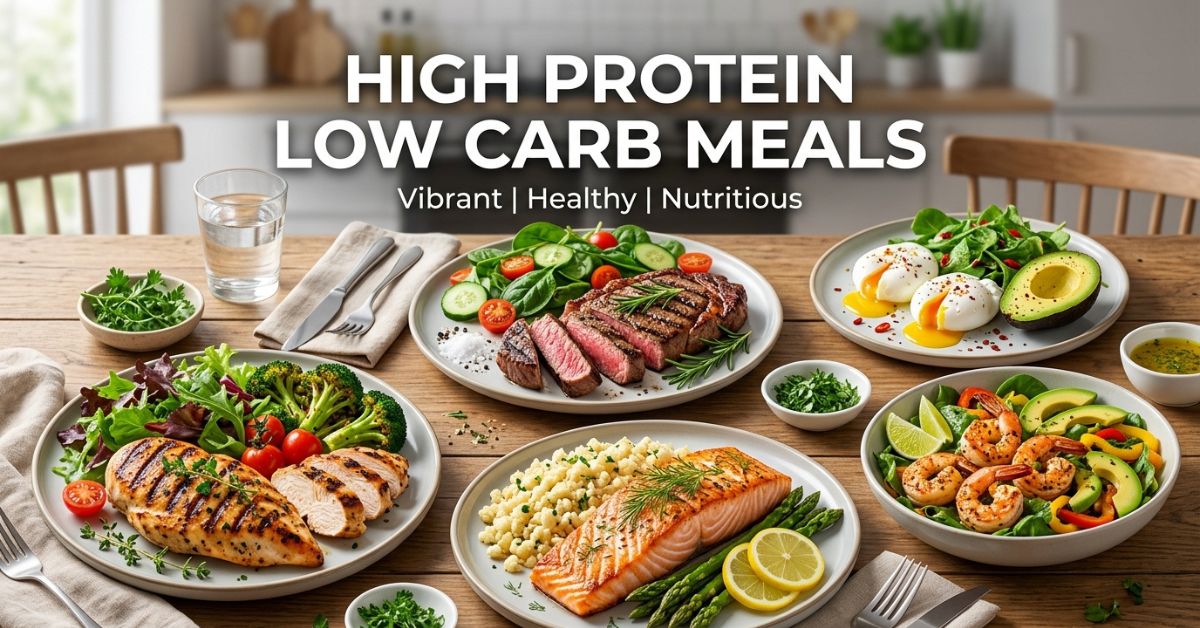
High protein low carb meals fix that problem at the root.Instead of relying on restriction, this approach changes how your body feels after eating. Protein keeps you full longer, while reducing unnecessary carbohydrate spikes that often lead to energy crashes.
In today’s nutrition landscape, this approach is widely used in fat loss programs, athletic meal planning, and metabolic health strategies because it aligns with how the body naturally regulates hunger, energy, and recovery.
In this guide, you’ll learn:
- The science behind protein and carb balance
- The best foods to build meals from
- Practical meal ideas you can use immediately
- A simple system to structure your own diet without confusion
What Are High Protein Low Carb Meals?
A high protein low carb meal is built around three principles:
- Protein is the dominant macronutrient
- Carbohydrates are reduced but not eliminated
- Vegetables and healthy fats fill nutritional gaps
Typical macro range:
- Protein: 25–45g per meal
- Carbohydrates: 10–30g per meal
- Fat: moderate to high depending on goal
The goal is not “zero carbs.” The goal is controlled carbs with high nutrient return.
Why High Protein Low Carb Meals Work (Science-Based Breakdown)
1. Protein controls hunger better than any other macronutrient
Protein activates satiety hormones and reduces ghrelin (hunger hormone), leading to fewer cravings.
2. It supports muscle maintenance during fat loss
Through Protein synthesis, your body preserves lean tissue even in a calorie deficit.
3. Carbohydrate reduction stabilizes energy
Lower intake of refined carbs reduces spikes in Carbohydrate metabolism, helping avoid crashes.
4. Better calorie control without strict dieting
Higher satiety naturally leads to lower overall intake, supporting a Calorie deficit without obsessive tracking.
[Source: International Society of Sports Nutrition, 2024 Position Stand on Protein Intake]
Best High Protein Low Carb Foods (Core Building Blocks)
Animal-Based Proteins
- Chicken breast
- Salmon
- Eggs
- Beef (lean cuts)
- Tuna and white fish
Dairy Proteins
- Greek yogurt
- Cottage cheese
Plant-Based Options
- Tofu
- Tempeh
- Lentils (moderate carbs, higher fiber balance)
Low-Carb Vegetables
- Broccoli
- Spinach
- Zucchini
- Cauliflower (especially rice substitute)
Simple Meal-Building Framework (The Real Game Changer)
Instead of memorizing recipes, use this structure:
Step 1: Pick protein (foundation)
Chicken, eggs, fish, tofu
Step 2: Add fiber-rich vegetables
Broccoli, spinach, cauliflower
Step 3: Add healthy fats (if needed)
Avocado, olive oil, nuts
Step 4: Add carbs only if required
Rice, fruit, or whole grains in small portions
This removes decision fatigue completely.
High Protein Low Carb Meal Ideas (Practical Examples)
Breakfast
- Spinach omelet with feta
- Greek yogurt with chia seeds
- Scrambled eggs with avocado
Lunch
- Grilled chicken salad bowl
- Tuna lettuce wraps
- Turkey and vegetable stir fry
Dinner
- Salmon with roasted broccoli
- Beef with cauliflower rice
- Garlic chicken with zucchini noodles
Snacks
- Cottage cheese bowl
- Boiled eggs
- Greek yogurt with nuts
Comparison Table: High Protein vs Standard Western Diet
| Factor | High Protein Low Carb | Standard Diet |
|---|---|---|
| Hunger levels | Lower | Higher |
| Energy stability | More stable | Fluctuating |
| Muscle preservation | Strong | Moderate |
| Fat loss efficiency | Higher | Variable |
| Cravings | Reduced | Frequent |
Myth vs Fact
Myth 1: You must eliminate carbs completely
Fact: Moderate carbs from vegetables and fruits are beneficial.
Myth 2: High protein diets damage kidneys
Fact: Healthy individuals show no evidence of harm at normal high-protein levels.
Myth 3: Low-carb diets are only for weight loss
Fact: They’re also used for metabolic health and performance stability.
Statistical Snapshot
- High-protein diets can increase satiety by up to 60% compared to high-carb meals.
[Source: Nutrition & Metabolism Journal] - Protein has a thermic effect of 20–30%, meaning more calories are burned during digestion.
[Source: American Journal of Clinical Nutrition] - Diets higher in protein consistently improve fat loss while preserving lean mass in controlled trials.
[Source: ISSN 2024 Review]
EEAT Insight (Real-World Perspective)
From real-world meal planning and nutrition coaching experience, the biggest issue isn’t lack of information. It’s inconsistency.
People overcomplicate dieting by chasing perfect meal plans. The ones who succeed usually do one thing differently: they standardize meals around protein first.
Once protein becomes the anchor of every meal, everything else becomes flexible. Carbs, fats, timing, even meal frequency start to matter less.
That’s the pattern seen across athletes, busy professionals, and long-term fat loss cases.
FAQs
What are the best high protein low carb meals?
Meals built around chicken, eggs, fish, or tofu with vegetables like broccoli or spinach are the most effective. They balance protein intake with minimal carbohydrate load.
Can I lose weight eating high protein low carb meals?
Yes. This approach supports a calorie deficit naturally by reducing hunger and improving meal satisfaction, making it easier to sustain fat loss.
Are high protein low carb meals safe long-term?
For most healthy individuals, yes. The key is including fiber-rich vegetables and maintaining balanced micronutrient intake.
What are quick high protein low carb meal ideas?
Egg scrambles, grilled chicken salads, tuna bowls, and Greek yogurt-based meals are fast and effective options.
Do I need to count calories on this diet?
Not necessarily. Many people achieve results by focusing on protein-first meals without strict tracking.
Conclusion
High protein low carb meals are not just a diet trend. They’re a structured way of eating built around three core ideas: protein dominance, controlled carbohydrates, and nutrient density.
When you consistently rely on foods like chicken, salmon, eggs, Greek yogurt, tofu, broccoli, and cauliflower, your meals naturally support fat loss, muscle maintenance, and energy stability.
CLICK HERE FOR MORE BLOG POSTS
James Walker is a food writer and recipe creator with a strong passion for home cooking and modern food trends. He shares practical recipes, cooking tips, and honest food insights based on real kitchen experience. His goal is to make everyday cooking simple, enjoyable, and accessible for everyone.
-
 Food4 months ago
Penne Pasta: The Ultimate Guide to Shapes, Sauces, and Recipes That Wow in 2026
-
 Food4 months ago
Beef Tripe Guide 2026: How to Cook, Clean, and Love This Nutritious Offal Classic
-
 Food4 months ago
Strawberry Puree: The Easy 5-Minute Recipe Plus 25 Delicious Ways to Use It
-
 Food4 months ago
Sushi Rice: The Complete Guide to Perfect Restaurant-Quality Results at Home
-

 Food5 months ago
Gouda Cheese Guide 2026: Everything You Need to Know About This Dutch Classic
-
 Food5 months ago
Quail Eggs and Nutrition Facts: The Complete Guide to Benefits, Risks, and Uses
-

 Food5 months ago
Meatless Dinner Ideas That Actually Fill You Up: 20 Flavor-Packed Recipes for 2026
-

 Food5 months ago
Italian Dessert Recipes for 2026: From Classic Tiramisu to Modern Twists You’ll Make on Repeat